Lombok is not just an island of pristine beaches and breathtaking landscapes—it’s also a place rich in culture and traditions. One of its most cherished cultural treasures is the ancient craft of tenun weaving, an art form that thrives in Sasak Sade Village. This small traditional village, located in the heart of Lombok, offers visitors a unique opportunity to explore the intersection of history, artistry, and the resilience of the Sasak people.
For travelers seeking a cultural escape while staying on Gili Trawangan, a visit to Sasak Sade Village provides an authentic glimpse into Lombok tourism beyond the beaches.
Discovering the Art of Tenun Weaving
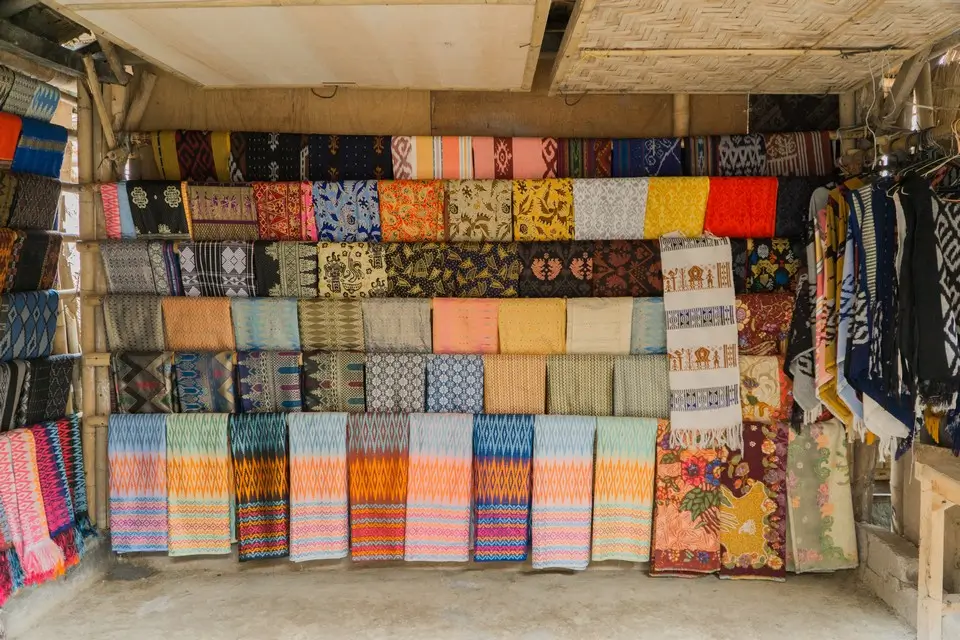
In Sasak Sade Village, the women have been weaving intricate patterns into stunning textiles for generations. The art of tenun weaving is more than just a skill; it’s a cultural practice deeply rooted in Lombok’s history. Using handlooms made of wood and bamboo, the weavers create textiles adorned with motifs inspired by nature, local legends, and spiritual beliefs. These designs often carry symbolic meanings, making each piece of tenun fabric a story in itself.
The weaving process, done entirely by hand, requires patience and precision. From spinning threads to dyeing them with natural colors derived from plants and roots, every step reflects the care and creativity of the weavers. Travelers who explore Sasak Sade Village have the rare opportunity to witness this process up close and even try their hand at weaving, creating memories that last a lifetime.
The Heritage of Tenun Weaving
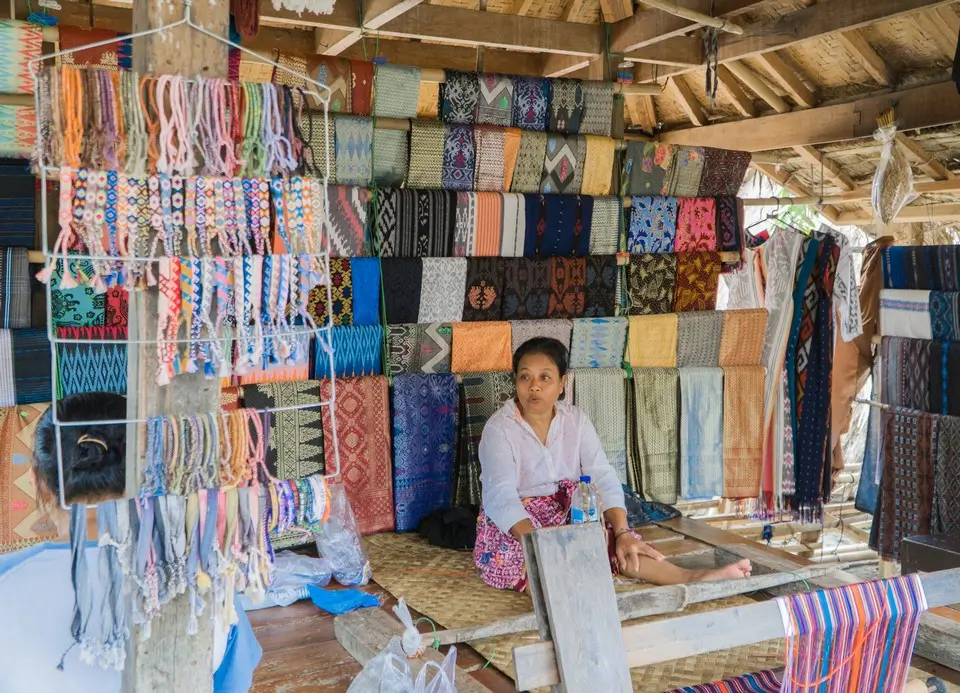
Tenun, meaning “woven fabric,” is an integral part of Sasak culture, deeply rooted in the traditions of the island. In Sasak Sade, weaving is considered more than just a skill—it is a rite of passage for women. According to local customs, a Sasak woman is expected to master the art of weaving before she can marry. This practice symbolizes patience, diligence, and creativity, values that are central to Sasak life.
The process of weaving in Sasak Sade is entirely traditional, with no modern machinery involved. Using handlooms made of wood and bamboo, the women create intricate patterns that reflect their environment, beliefs, and history. These designs are often inspired by nature, such as leaves, flowers, and animals, as well as geometric shapes that symbolize protection and harmony.
Creating a single piece of Sasak tenun weaving is a meticulous process that requires skill, patience, and knowledge passed down through generations. One of the most fascinating steps in this process is how the threads are made:
- Hand-spinning cotton: Unlike modern textile production, Sasak weavers hand-spin their own cotton fibers to create the base threads.
- Binding with rice starch: The spun threads are then coated with rice starch, which strengthens the fibers and makes them more durable for weaving.
- Natural dyeing: The threads are dyed using natural ingredients, extracted from plants, roots, and tree bark, ensuring an eco-friendly approach that preserves the integrity of the fabric
- Sun-drying: The colored threads are then laid out under the sun to set the dyes, allowing nature to enhance their vibrancy before they are woven into beautiful patterns
This intricate, all-natural process ensures that every piece of Sasak Sade Village weaving is unique, reflecting the patience and craftsmanship of the weaver.The time it takes to complete a single piece depends on its size and complexity. A small scarf may take a week, while larger fabrics, such as sarongs or blankets, can take up to a month or more.
Experiencing Tenun Weaving in Sasak Sade
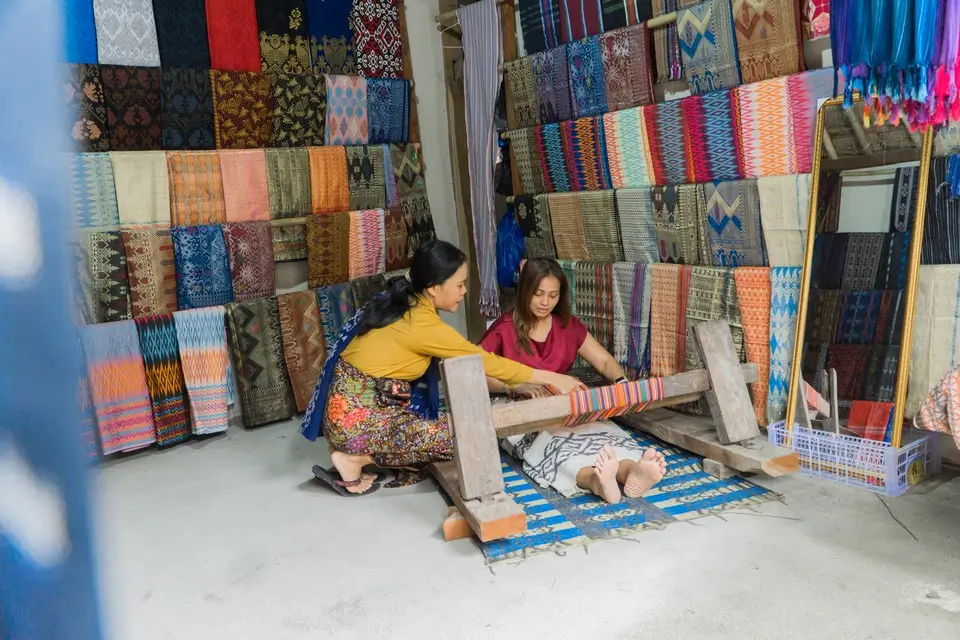
For those who visit Sasak Sade Village, the weaving process is a must-see. The village offers guided tours where you can watch the skilled hands of the weavers in action and learn about the stories behind their patterns. Visitors can also try their hand at weaving, gaining a newfound appreciation for the patience and artistry required.
Purchasing tenun directly from the weavers is another way to support this timeless tradition. Whether it’s a scarf, sarong, or decorative wall piece, each item is a one-of-a-kind masterpiece that carries the spirit of Sasak culture.
Preserving Lombok’s Cultural Legacy
The art of tenun weaving in Sasak Sade Village is a testament to the resilience and creativity of the Sasak people. As modern development continues to shape Lombok, preserving this tradition is vital not only for the local community but also for visitors seeking an authentic connection to the island’s heritage.
Whether you’re staying on Gili Trawangan or exploring deeper into the heart of Lombok, a visit to Sasak Sade Village is a cultural experience that enriches your journey. By supporting local weavers and learning about their craft, you contribute to the preservation of a tradition that has been woven into the fabric of Lombok’s tourism and identity.